

Glass Tips Tempered Glass
Benefits of Tempered Glass Over Ordinary Glass

In short
Ever wondered why some glass breaks safely and some doesn’t? In modern interiors, selecting the right type of glass isn’t just about design, it’s about safeguarding people and spaces.
Ever wondered why some glass breaks safely and some doesn’t? In modern interiors, selecting the right type of glass isn’t just about design, it’s about safeguarding people and spaces. And choosing between tempered glass and ordinary glass is not a minor detail; it is a safety decision that affects how the building performs every single day.
Introduction: Why Choosing the Right Glass Matters
At first glance, tempered glass vs normal glass can look like the same product. Both are clear, both let in light, and both can be used in windows and doors. The difference lies in what happens when something goes wrong – an impact, a sudden temperature change, or years of everyday use.
Ordinary glass is basic annealed float glass. It is easier to cut and slightly cheaper, but when it breaks it shatters into long, sharp shards that can cause serious injuries. Tempered glass, on the other hand, is a form of safety glass tempered through heat treatment so it becomes far stronger and breaks into small, blunt fragments. Understanding this glass safety comparison is the starting point for choosing the right product for any high‑risk area.
What Is Tempered Glass?
In simple terms, tempered glass (also called toughened glass) is standard float glass that has been reinforced through a controlled thermal process. The glass is cut to size, edges are finished, and then it is heated in a furnace to around 600–650 °C before being cooled rapidly with jets of air.
This treatment locks the surface of the glass into compression and the core into tension. That internal stress pattern is what gives toughened glass meaning: it becomes about four to five times stronger in bending and impact resistance than the original annealed sheet. Once tempered, the glass cannot be cut or drilled, any further work is done before the heating cycle.
What Is Ordinary Glass?
Ordinary glass, often referred to as annealed or regular glass, is the “raw” material produced on a float line and then slowly cooled to relieve internal stresses. It has good optical clarity and is easy to cut, drill, and shape, which makes it useful for low‑risk applications.
However, normal glass properties include relatively low impact strength and poor behaviour when overloaded. Under a strong blow or a sharp thermal shock, it tends to crack suddenly and break into large, jagged pieces. These shards are what you see in old picture frames or thin windows when they fail, and they are the main reason ordinary glass is not acceptable in many safety‑critical positions.
Tempered Glass vs Ordinary Glass: Key Differences Explained
When you compare tempered glass vs ordinary glass, three practical differences stand out: strength, safety, and heat resistance.
- Strength: Tempered glass is typically 4–5 times stronger in flexural and impact resistance than annealed glass of the same thickness. Regular glass breaks under much smaller forces.
- Safety: Ordinary glass breaks into sharp shards; tempered glass crumbles into small, cube-like pieces that are far less likely to cause deep cuts.
- Thermal performance: Tempered glass tolerates higher temperatures and sudden temperature changes without cracking, whereas annealed glass can fail when the surface temperature difference exceeds roughly 60–70 °C.
In short, the difference between tempered and normal glass is not cosmetic. It is a fundamental change in performance that justifies using tempered glass anywhere people may walk into, lean against, or push on the pane.
Superior Strength: Why Tempered Glass Is Stronger
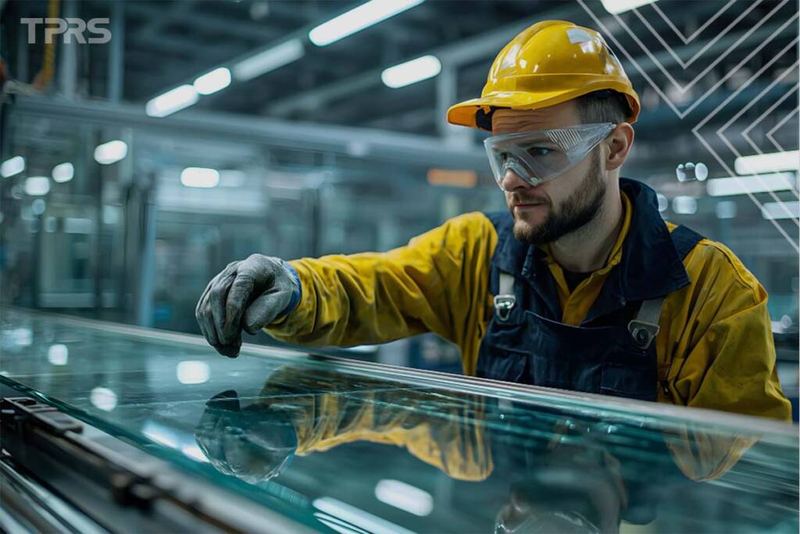
One of the main tempered glass advantages is its mechanical strength. Because of the permanent compressive stresses in the surface, the glass can absorb more impact and bending before a crack can start.
For example:
- Tests show strong tempered glass can withstand around four times the impact energy of ordinary glass of the same thickness.
- It can handle higher wind loads on façades and larger clear spans in doors, balustrades, and partitions without needing thicker panes.
This high strength makes tempered glass a form of high‑strength safety glass that is well suited to busy public buildings, high‑rise structures, and areas where accidental bumps are common.
Enhanced Safety: Shatter‑Resistant Tempered Glass Benefits
When safety is the priority, the benefits of tempered glass are most obvious in the way it breaks. Instead of long, knife‑like pieces, safety glass tempered panels fracture into many small, fairly blunt granules.
Key tempered safety glass benefits include:
- Reduced injury risk: People may still be scratched or bruised, but the likelihood of deep cuts or life‑threatening wounds is dramatically lower.
- Predictable breakage: The shatter pattern is more uniform, which helps engineers and building officials rely on it as a safety material.
This is why tempered glass is mandated by many codes in locations such as shower enclosures, frameless doors, glass railings, and large panels near floor level. In these areas, shatter resistant glass is not a luxury; it is an essential requirement.
Heat Resistance: Ideal Glass for High‑Temperature Applications
Another major difference in tempered glass vs ordinary glass is behaviour under heat. Tempering itself is a high‑temperature treatment, which leaves the glass better prepared for thermal stress.
Some advantages of heat resistant tempered glass are:
- It tolerates steady service temperatures up to about 240–250 °C in many designs and can survive rapid surface temperature swings that would crack annealed glass.
- It offers superior thermal shock resistant glass performance, meaning it can handle hot water splashes, proximity to stoves, or intense sunlight on one part of the pane while another part remains cool.
This makes tempered glass a natural choice for oven doors, fireplace screens, certain industrial sight windows, and sun‑exposed façades where normal glass might fail unexpectedly.
Durability and Longevity Compared to Ordinary Glass
In everyday use, durable tempered glass holds up better than regular glass to knocks, edge contact, and mechanical stress. The toughened surface is also more resistant to minor abrasions, which helps the glass maintain its appearance over time.
Because of its higher strength and predictable failure mode, tempered glass often translates into long‑lasting safety glass:
- Panels are less likely to crack from small impacts during installation and maintenance.
- Structures can be designed with slimmer profiles without sacrificing performance, especially in combination with lamination or coatings.
For building owners, this improved durability often offsets the slightly higher initial cost of tempered units.
Versatile Applications of Tempered Glass
Given these performance benefits, it is no surprise that tempered glass uses span residential, commercial, automotive, and industrial sectors.
Typical applications of toughened glass include:
- Frameless doors and shower enclosures in homes and hotels
- Shopfronts and display windows in retail projects
- Balustrades, stair railings, and canopies in commercial buildings
- Side and rear windows, sunroofs, and some interior panels in vehicles
- Machine guards, industrial viewing windows, and certain appliance doors
In many of these roles, tempered glass is either required by code or strongly recommended by consultants because it provides a practical balance of safety, strength, and cost.
Tempered Glass for Buildings: A Safer Construction Choice
When it comes to tempered glass uses in buildings, safety and aesthetics go hand in hand. Glass processors such as TPRS supply toughened glass for a wide range of safety glass for a wide range of applications.
Common building‑specific uses include:
- Windows and sliders in high‑traffic areas or low sill heights
- Entrance doors and shopfronts where people are likely to lean or push against the glass
- Curtain wall and structural glazing panels subject to wind loads
- Interior partitions and shower cabins that need both openness and safety
- Railings and balustrades, especially in balconies and staircases
In many cases, tempered glass is further combined with lamination to create safety systems that remain in place even after breakage, adding another layer of protection.
Maintenance Advantages of Tempered Glass
From a day‑to‑day perspective, tempered glass maintenance is straightforward. It can be cleaned with the same neutral detergents and tools used on ordinary glass, and its relatively hard surface resists small scratches better than softer annealed panes.
Additional benefits of tempered glass in maintenance include:
- Easy‑clean glass behaviour when combined with modern hydrophobic or photocatalytic coatings, which make it harder for dirt and minerals to stick.
- Lower risk of edge chipping during routine cleaning or hardware adjustments, thanks to the improved strength.
As long as harsh abrasives and metal scrapers are avoided, tempered glass tends to keep its clarity and finish for many years.
Cost vs Value: Is Tempered Glass Worth the Investment?
Tempered glass does cost more than standard annealed glass. The extra price comes from the tempering furnace, energy use, and additional handling. The real question, however, is tempered glass cost vs benefits over the life of the installation.
In most safety‑critical applications, the answer to “is tempered glass worth it?” is yes, for several reasons:
- Avoiding one serious injury or major breakage can more than pay for the upgrade.
- Many building codes and insurance policies require tempered glass in specific locations, so not using it can lead to legal and financial liabilities.
- The longer service life and lower breakage rate reduce replacement and maintenance costs.
When you combine safety, durability, and compliance, tempered glass represents strong value rather than just an added expense.
Safety Standards and Compliance for Tempered Glass
Because safety glass tempered products are used in high‑risk locations, they are governed by specific standards. These tempered glass safety standards set out requirements for fragmentation, minimum strength, and resistance to impact.
In practice, certified safety glass must:
- Pass drop‑ball and impact tests without dangerous breakage patterns.
- Show the characteristic small‑granule fracture when tested to destruction.
- Carry permanent markings confirming compliance with relevant building codes.
Working with a supplier that offers fully certified safety glass is crucial; it ensures that the glass not only performs as expected but is also acceptable to local regulators and consultants.
Common Myths About Tempered Glass
Despite its long track record, several tempered glass myths still circulate. Clearing these up helps designers and end users make better choices.
Some common misunderstandings:
- “Tempered glass is unbreakable.” In reality, it is more impact‑resistant, but it can still fail under extreme loads, point impacts at edges, or manufacturing defects.
- “Toughened glass benefits are only for exterior use.” In fact, many of the highest‑risk situations—showers, doors, and interior balustrades—are inside the building.
- “You can cut or resize tempered glass later.” Once tempered, the glass cannot be cut or drilled; attempting to do so will cause sudden shattering.
Knowing these toughened glass facts avoids dangerous assumptions and design errors.
Conclusion: Why Tempered Glass Is the Smarter Choice Over Ordinary Glass
Comparing tempered glass vs ordinary glass shows that the two products belong in very different places. Ordinary glass is best reserved for low‑risk, decorative roles where failure would not injure anyone. Tempered glass, by contrast, offers higher strength, safer breakage, better thermal performance, and longer service life in demanding environments.
For entrances, railings, showers, façades, and any area where people interact closely with glass, the benefits of tempered glass clearly outweigh its modest extra cost. That is why tempered glass is better and why codes worldwide treat it as the default choice for safety‑critical glazing.