

Architectural Glass Glass Solutions Glass Tips
How to Choose the Right Glass for Your Building Project

In short
Walk past any modern building today and you’ll notice one thing immediately: glass is everywhere. From full-height facades to sleek interiors, the right building glass can completely change how a space looks, feels, and performs.
Walk past any modern building today and you’ll notice one thing immediately: glass is everywhere. From full-height facades to sleek interiors, the right building glass can completely change how a space looks, feels, and performs.
Yet, choosing that glass is rarely as simple as picking something “transparent.” Safety, climate, energy bills, acoustics, and even future maintenance all depend on this decision. This guide walks through the essentials so architects, builders, and homeowners can choose glass for building construction with confidence.
Why Glass Choice Matters in Modern Projects
In contemporary architecture, glass is no longer a finishing touch; it is a core building material. It brings in natural light, creates visual openness, and helps define the character of both residential and commercial buildings. When thoughtfully selected, glass improves comfort, productivity, and even property value.
The flip side is equally true. Poor architectural glass selection can result in overheating, glare, excessive noise, or safety risks. That is why serious projects now treat glass decisions with the same importance as structural systems or HVAC design.
What Is Architectural or Building Glass?
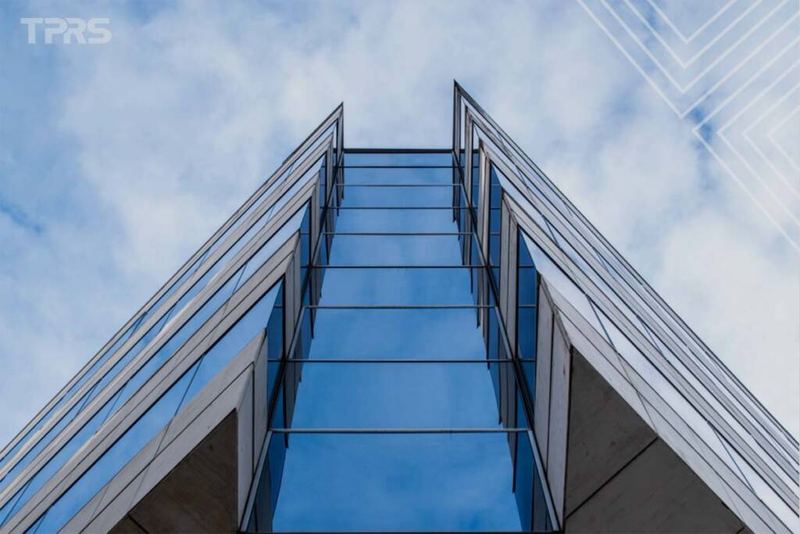
Architectural glass (or building glass) is glass that has been processed and engineered specifically for construction use. It is very different from basic, single-pane glass sheets used in simple applications.
- Standard glass may crack or shatter easily under impact or temperature changes.
- Glass for building construction is treated by tempering, laminating, coating, or combining multiple panes so it can handle wind loads, thermal stress, and safety requirements in real buildings.
Think of it this way: architectural or construction glass is designed to work as part of the building envelope, not just as something to “fill a window opening.”
If you look at a specialist like TPRS Glass, you’ll see ranges dedicated to facades, interiors, safety glazing, and energy-efficient solutions; all tailored for specific performance needs, not one-glass-fits-all.
Key Factors to Consider Before You Choose Glass

Before comparing types of glass for buildings, clarify the basics of your project. The right answer for a hospital lobby will not be right for a beach villa balcony.
Ask these questions early:
- Safety: Is the glazing in a risk-prone area (doors, balustrades, near the floor, high wind zones)? If yes, tempered or laminated safety glass is usually non‑negotiable.
- Climate: Hot, humid cities like Thiruvananthapuram need excellent solar and thermal control. Cooler regions may focus more on heat retention.
- Building use: Offices, hotels, homes, and malls all live differently. A glass wall behind a retail display has different priorities from a neonatal ICU window.
- Energy performance: Are there targets for green certification, energy savings, or daylighting? IGUs and Low‑E coatings start to matter a lot here.
- Budget and lifecycle cost: Cheaper single glazing may look appealing upfront but can cost significantly more over the life of the building through higher energy bills and replacements.
- Local codes and standards: Indian and international standards specify when safety glass must be used, minimum thickness, and impact performance. Compliance is not optional.
Once these are clear, selecting glass for building construction becomes a focused exercise rather than guesswork.
Main Types of Glass Used in Building Construction
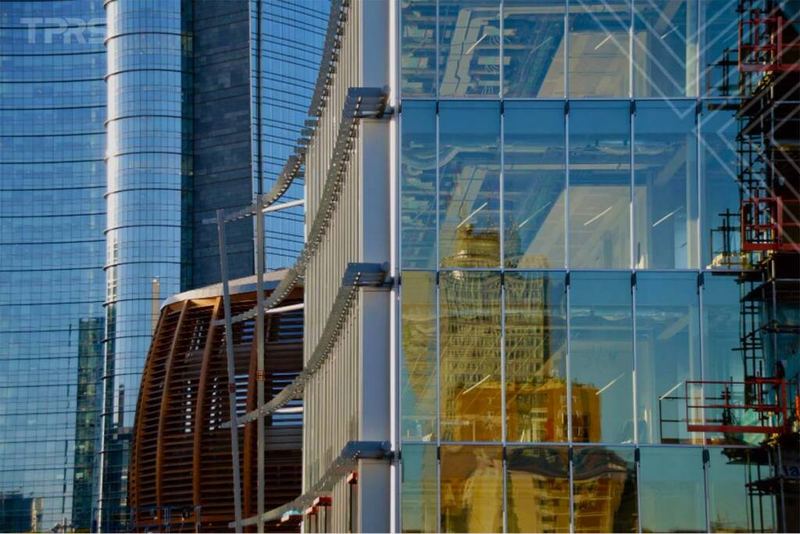
Most modern projects mix several types of building construction glass rather than relying on one product everywhere. Below are the most common types of glass for buildings you’ll encounter.
- Toughened (Tempered) Glass: Strength with Safety
Toughened glass is regular glass that has been heated to high temperatures and then rapidly cooled. This process increases its strength several times over. When it does break, it disintegrates into small, blunt fragments instead of large, sharp shards.
Where it works best:
- Frameless doors and shower enclosures
- Balcony railings and stair balustrades
- Structural glazing and shopfronts
- Areas exposed to strong wind or thermal stress
In many high‑rise and commercial projects, this is the baseline choice for exposed glazing simply because it handles daily knocks, slams, and temperature swings far better than ordinary glass.
- Laminated Glass: For Safety, Security, and Sound
Laminated glass is made by bonding two or more glass panes with an interlayer typically PVB or similar films. Even if the glass breaks, the interlayer holds the fragments together.
Why designers specify it:
- It stays in place after impact, reducing the risk of falling glass.
- It can resist forced entry better than monolithic panes.
- It significantly improves sound insulation, making interiors quieter.
- It can incorporate colours or patterns for decorative building glass.
You will commonly see laminated glass in skylights, overhead glazing, canopies, high‑traffic entrance doors, and anywhere below a certain height where falling glass would be dangerous. In homes, it is an excellent option for large windows facing busy streets or children’s rooms.
- Insulated Glass Units (IGUs): Comfort and Energy Savings
Insulated glass units consist of two or more panes separated by a sealed air or gas-filled gap. That cavity is what provides the insulation.
Benefits:
- Reduced heat transfer, which means less load on air‑conditioning in hot climates and better heat retention in cooler climates.
- Better acoustic performance than single glazing.
- Fewer condensation issues when properly designed.
If you’re designing a glass-heavy office building, hotel, or premium residence, IGUs are usually the starting point for energy efficient building glass. They become even more effective when combined with Low‑E or selective coatings.
- Low‑E Glass: Controlling Heat Without Losing Light
Low‑E (low emissivity) glass has a microscopically thin metallic coating that reflects infrared heat while allowing visible light to pass through. To the eye, it still looks like regular glass.
Where it helps:
- Reducing heat gain in hot climates, keeping interiors cooler
- Minimising heat loss in cold seasons
- Protecting interiors from UV damage, which helps fabrics and finishes last longer
For curtain walls, large glazed openings, and west-facing windows, Low‑E glass quickly pays for itself through lower energy bills and improved comfort.
- Tinted and Reflective Glass: Facade Control and Style
Tinted glass is produced by adding colourants during manufacturing. It absorbs more solar energy and reduces glare. Reflective glass has a metallic coating that reflects a portion of the solar radiation and gives a mirrored appearance.
Typical use cases:
- High‑rise façades where glare and solar gain need to be controlled
- Commercial buildings that require daytime privacy
- Design‑driven projects where the facade is meant to stand out
These glasses are often combined with other treatments: toughening, laminating, or double‑glazing to achieve both performance and visual intent.
Choosing the Right Glass for Residential Buildings
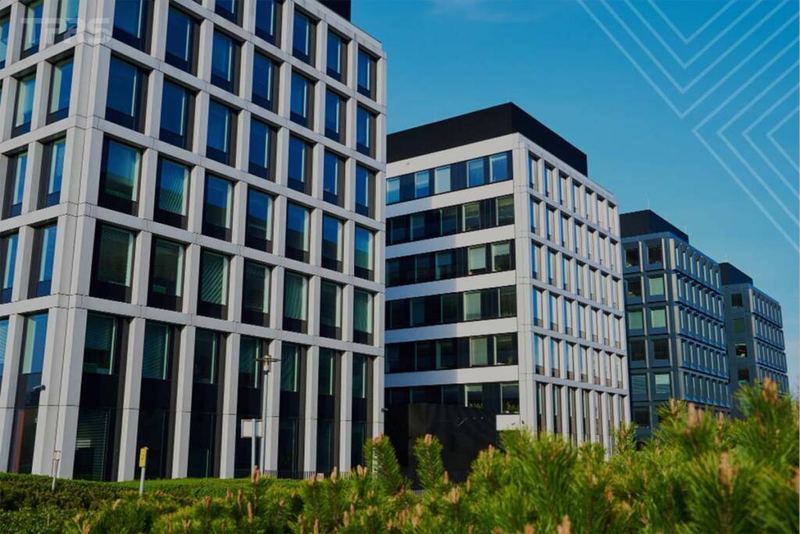
Residential buildings have a unique set of needs: comfort, safety, and aesthetics must all work together. When thinking about glass for residential buildings, consider each zone separately.
- Windows: For most urban homes, a combination of double glazing plus either Low‑E or tinted glass strikes a good balance between daylight and heat control.
- Balconies and railings: Toughened or laminated safety glass is strongly recommended here. Laminated glass provides the added peace of mind that it will stay in place even after breakage.
- Staircases and internal partitions: Clear or frosted toughened glass gives a feeling of openness without compromising safety. Frosted or patterned glass helps maintain privacy.
- Bathrooms: Tempered glass for shower enclosures and partitions is now standard practice due to the risk of slips and impact.
Homeowners often focus first on look and price. Encourage them to see glass as a long-term investment in safety, comfort, and electricity savings rather than just a decorative element.
Choosing the Best Glass for Commercial Buildings
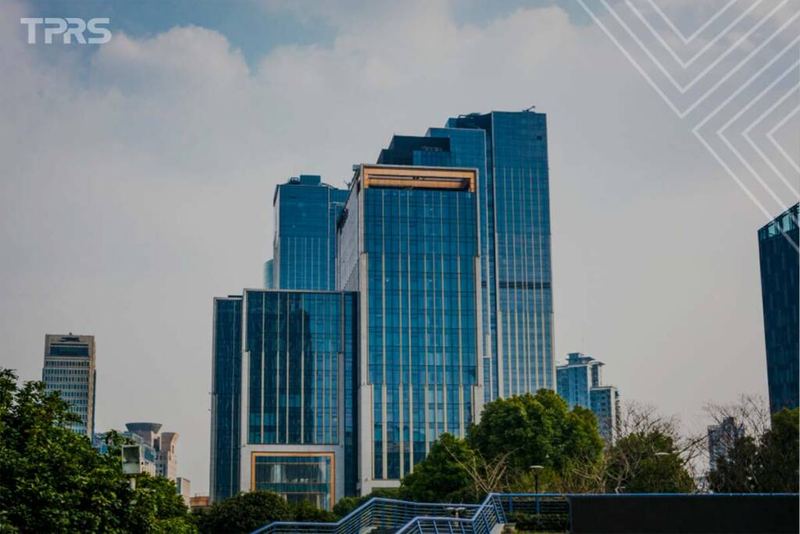
Commercial spaces like offices, malls, hospitals, hotels, and showrooms tend to push glass much harder than homes do. Higher occupancy, longer operating hours, and stricter safety norms make the choice of glass critical.
Some practical patterns:
- Office buildings: IGUs with Low‑E coatings are frequently used for façades to keep workspaces bright yet cool. Meeting rooms may use laminated or acoustic glass to control sound.
- Retail and malls: Toughened glass is standard for shopfronts and display windows due to high footfall and impact risk. For atriums and skylights, laminated safety glass is preferred.
- Hospitals and healthcare: Glazing might require enhanced acoustic performance, privacy (through frosted or switchable glass), and sometimes antibacterial coatings.
- Hotels: A mix of large panoramic windows (often double‑glazed), decorative building glass in lobbies, and safety glass in bathrooms and balconies is common.
Experienced processors like TPRS typically work closely with project teams at this stage, matching glass specifications to usage, budget, and brand positioning.
Safety and Compliance: Standards You Should Not Ignore
Glass may look simple, but its use is governed by strict safety codes. These define where safety glass is mandatory, how much impact resistance is required, and the minimum thickness for different heights and applications.
While exact clauses depend on your country and local bylaws, the principles are similar:
- Glass in doors, low-level windows, and areas where people might fall against it usually must be toughened or laminated.
- Overhead glazing and skylights almost always require laminated safety glass.
- Railings, canopies, and structural glazing must meet specific load‑bearing and impact criteria.
Ignoring these standards is never worth the short-term savings. Beyond legal risk, non-compliant glass can lead to avoidable accidents, broken reputations, and costly replacements.
Energy Efficiency and Sustainability in Glass Selection
As energy codes tighten and clients demand greener buildings, the role of energy efficient building glass becomes central rather than optional.
Ways glass contributes to sustainability:
- Reducing cooling loads: IGUs, Low‑E coatings, and solar-control tints cut down heat entering the building, which directly reduces air‑conditioning requirements.
- Maximising daylight: Well-chosen glass allows daylight to penetrate deeper into spaces, reducing dependence on artificial lighting.
- Supporting green certifications: Glass with documented performance values (U‑value, SHGC, visible light transmission) helps buildings achieve ratings like IGBC or LEED.
Some manufacturers also offer glass made with higher recycled content or more efficient production processes. When you combine these with smart design and shading strategies, glass for building construction becomes an ally in meeting energy and carbon targets.
Aesthetic Considerations: Design, Transparency, and Privacy
Even with all the performance metrics, architects and owners still care deeply about how the glass looks. Architectural glass design is about balancing transparency, reflectivity, colour, and pattern with the overall language of the building.
Options to think about:
- Transparency vs privacy: Clear glass opens up views but may require blinds or films. Frosted, patterned, or tinted glass offers privacy while still letting in light.
- Colour and reflectance: Subtle greys and blues remain popular for modern facades, while stronger tints or reflective glass create more dramatic statements.
- Decorative and printed glass: Digital ceramic printing and other technologies, such as those used at TPRS, allow custom patterns, logos, or gradients baked into the glass. These are ideal for feature walls, brand-heavy spaces, and signature facades.
In interiors, glass can be used almost like a movable wall, defining space without closing it off. The right mix of textures, transparency levels, and framing details can make spaces feel both private and connected.
Common Mistakes to Avoid When Selecting Glass

Over the years, a few recurring mistakes appear across projects:
- Choosing only on cost: Going for the cheapest option often ignores safety, comfort, and long-term operating costs. Glass that looks similar on paper can behave very differently over time.
- Ignoring orientation and climate: Using the same glass on all elevations or in all cities is rarely wise. A west‑facing glass wall in a tropical climate needs more aggressive solar control than a shaded north elevation.
- Underestimating acoustics: In busy urban locations or near highways, not planning for noise control can make otherwise beautiful spaces unpleasant to occupy.
- Overlooking maintenance: Deeply reflective glass, complex interior glass shapes, or inaccessible skylights may be difficult to clean or replace.
- Not involving the glass specialist early enough: Many problems disappear when the glass processor or supplier is consulted at concept stage instead of after drawings are frozen.
Avoiding these pitfalls is usually a matter of asking the right questions early and insisting on performance data instead of relying on generic labels.
How to Choose a Reliable Glass Supplier or Processor
The best specification will still fail if the glass is poorly processed or installed. When evaluating a building glass supplier or architectural glass manufacturer, look beyond the price quote.
Consider:
- Experience and scale: How long have they been in the industry? Do they handle large facade projects as comfortably as interior work?
- Range of capabilities: Can they supply toughened, laminated, insulated, printed, and specialty glass from under one roof?
- Quality systems and certifications: Check for relevant certifications, test reports, and adherence to national and international standards.
- Customization and technical support: Good suppliers help refine glass build‑ups, suggest alternatives, and coordinate with facade consultants and contractors.
- After‑sales support: Replacement, warranty handling, and technical clarifications matter long after handover.
Companies like TPRS Glass have built their reputation by combining advanced processing (including digital ceramic printing and switchable glass) with strong project support, which is the kind of partnership you want for demanding jobs.
Bringing It All Together: Making the Right Glass Choice
There is no single “best” safety glass for buildings. The right choice depends on what the building needs to achieve: safety, comfort, efficiency, aesthetics, or a careful balance of all four.
If you:
- Clarify the use and constraints of each space,
- Match the appropriate type of glass to that use,
- Check compliance with safety and energy codes, and
- Work closely with an experienced glass processor,
you end up with a building that looks good on day one and continues to perform well for decades.
For upcoming residential towers, commercial complexes, or interior renovation projects, consider partnering with a specialist like TPRS to develop a project-specific glass strategy instead of picking products in isolation. That single step often makes the difference between “standard glazing” and a truly well‑designed, future-ready building envelope.