


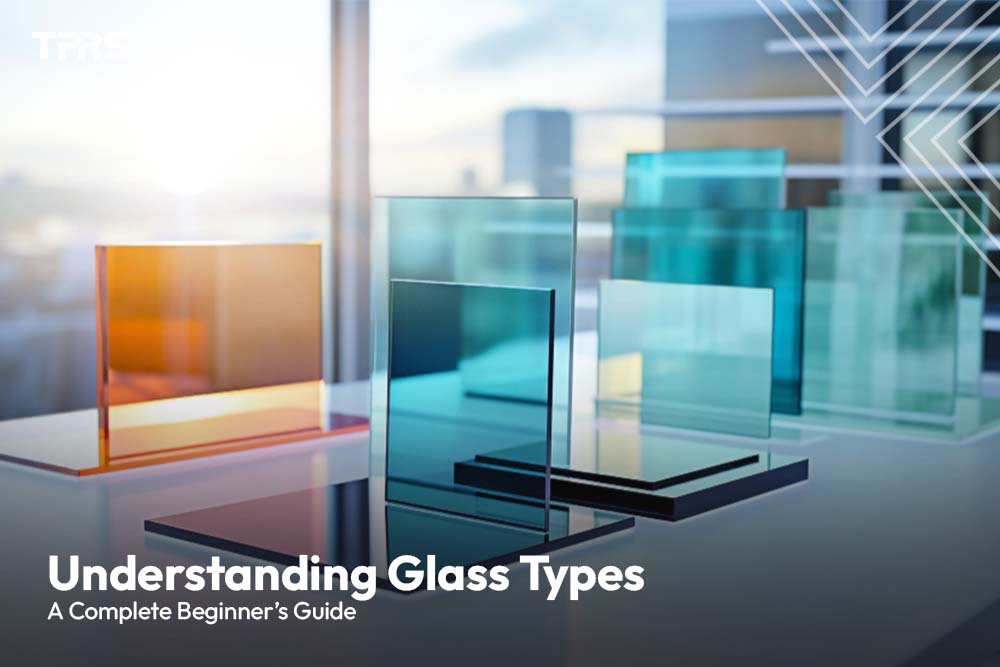
Think glass is just glass? That assumption has changed the way buildings succeed or fail. In today’s architecture, every pane serves a precise purpose beyond transparency. Once you start paying attention, you’ll realise how important it is to choose the right types of glass for each place.
For a homeowner, architect, or contractor, understanding different types of glass is not just a technical exercise. It is what keeps people safe, keeps interiors comfortable, and keeps long‑term costs under control.
Introduction: Why Understanding Glass Types Matters
Glass is no longer just a clear pane in a window. It is a structural, functional, and design material used in homes, offices, hospitals, factories, vehicles, and public spaces. When you understand different types of glass and how they behave, you make better decisions about safety, comfort, energy bills, and long‑term maintenance.
People who invest a little time in learning about types of glass for beginners, from basic clear panes to advanced energy‑efficient units, avoid expensive mistakes later. Many of the most common problems come from choosing the wrong product in a high‑risk area or ignoring common glass types and uses that could have delivered better performance for similar cost.
What Is Glass? Basic Definition and Properties
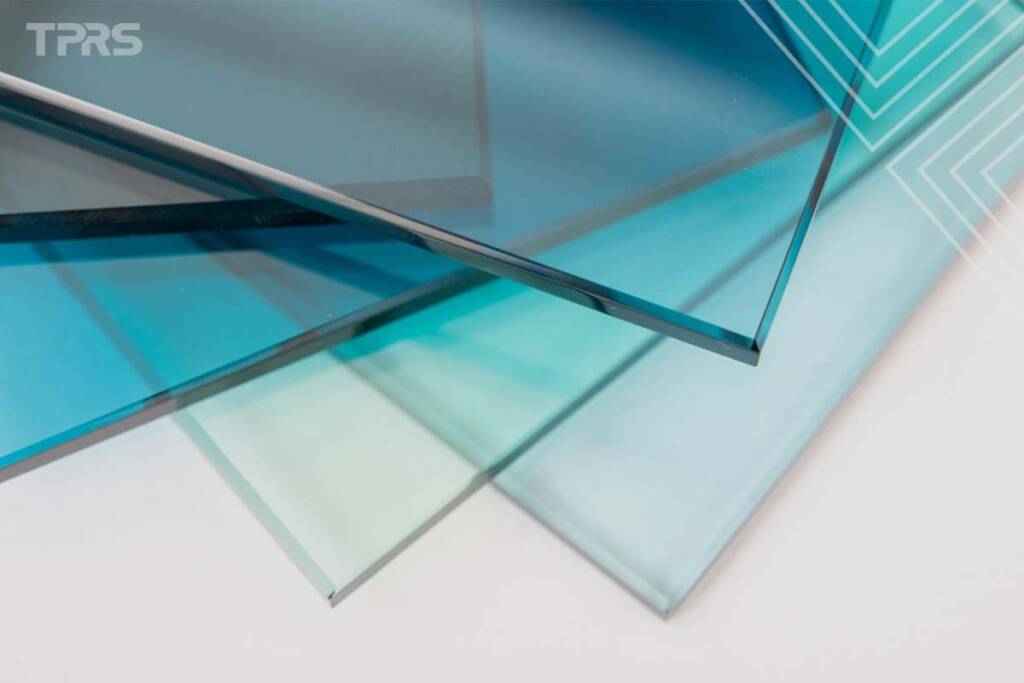
At its core, glass is an inorganic, non‑crystalline solid. It is usually made by melting silica sand with ingredients like soda ash and limestone and then cooling the mixture quickly so it does not form regular crystals. That rapid cooling is what gives glass its distinctive glass materials and properties: hardness, clarity, and brittleness.
For beginners, a few key glass materials and properties are worth remembering:
- Glass lets light through, but clarity, colour, and reflection can be controlled.
- Without treatment it is brittle, but with the right types of glass processing it can handle large loads and impacts.
- It conducts heat and transmits sound, so special architectural glass types are used to improve insulation and acoustics.
Almost every advanced product you see: safety units, textured panels, or digital prints starts life as basic glass that is later cut, toughened, laminated, coated, or combined into more complex types of glass systems.
How Glass Types Are Categorized
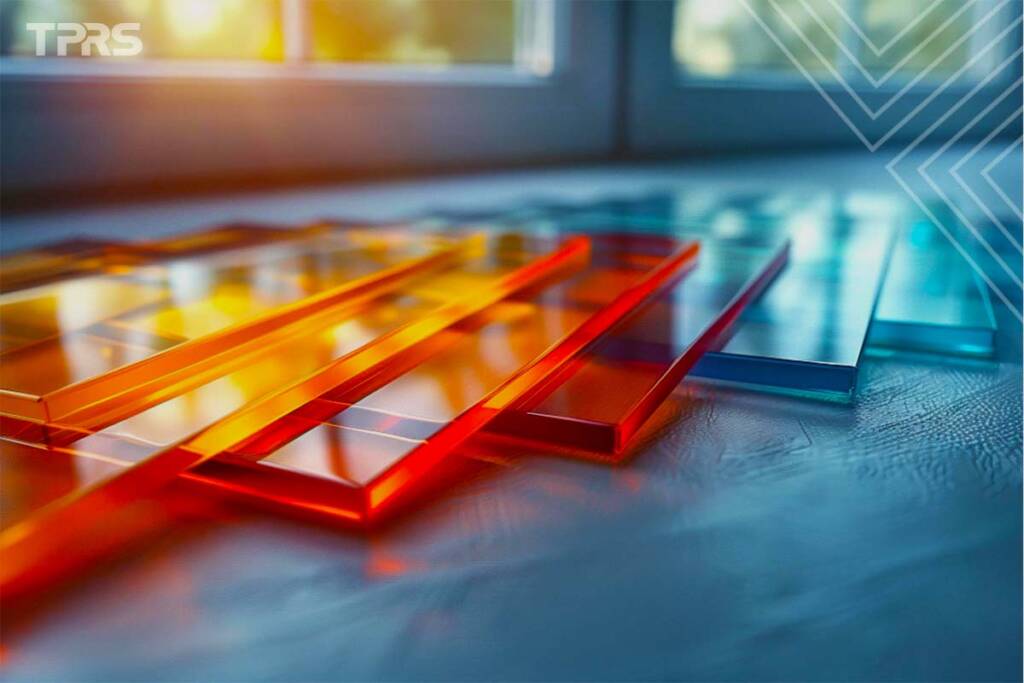
When you first look at technical sheets, the vocabulary around glass types explained can feel overwhelming. A simple way to make sense of the different types of glass is to group them into a few broad families.
- By manufacturing process – for example, float glass, sheet glass, cast glass.
- By strength treatment – annealed, toughened, heat‑strengthened.
- By behaviour in breakage – non‑safety glass vs. safety glass types such as toughened and laminated.
- By application or function – architectural glass types, automotive, interior, industrial, and decorative glass types.
In real projects these types of glass overlap. A single pane might be a “toughened, Low‑E, laminated unit” and still be part of both safety and energy‑efficient families.
Common Types of Glass Used Today
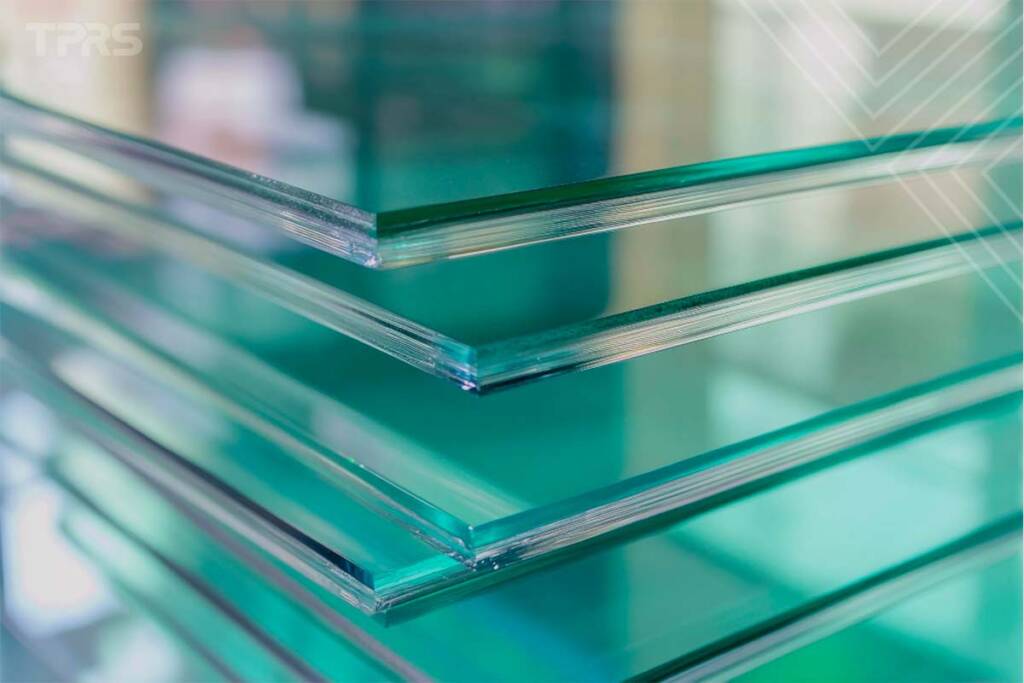
From a beginner’s point of view, you only need to recognise a handful of types of glass that appear again and again in buildings. These are the common glass types and uses you will see most often:
- Float (clear) glass
- Toughened (tempered) glass
- Laminated glass
- Insulated glass units (IGUs)
- Low‑E glass
- Tinted and reflective glass
- Frosted and patterned glass
- Specialty types of glass such as fire‑rated, bullet‑resistant, and smart glass
When you hear professionals talk about different types of glass, this is usually the list they have in mind, especially in the context of architectural glass types.
Float Glass: The Starting Point
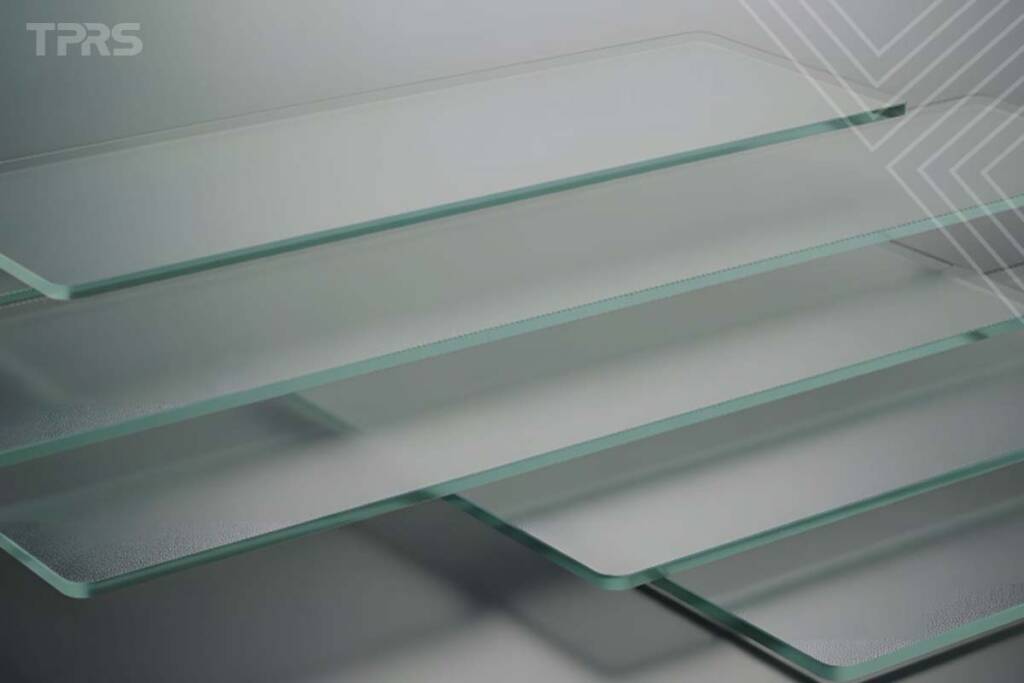
Float glass is the most basic and widely used of all types of glass. During manufacturing, a ribbon of molten glass floats over a bath of molten tin and spreads into a flat, uniform sheet.
In everyday projects:
- It appears in simple windows and interior partitions.
- It is turned into mirrors after silvering.
- It becomes the raw feedstock for many other types of glass, including toughened, laminated, and coated products.
For anyone trying to get glass types explained in simple terms, float glass is the “plain” starting point that everything else grows from.
Toughened (Tempered) Glass: Built for Impact
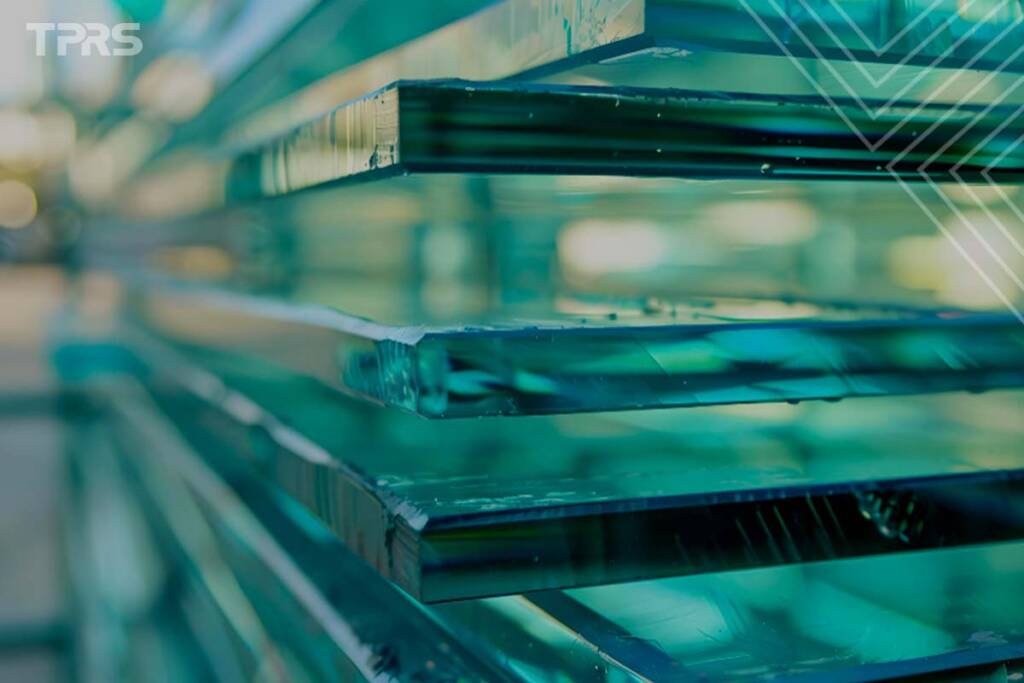
Think about a glass door that gets slammed dozens of times a day and somehow survives. Behind that reliability is toughened, or tempered, glass. This is float glass that has been reheated and cooled rapidly so the outer surfaces are locked into compression.
Because of this treatment:
- It is several times stronger than standard glass of the same thickness.
- When it breaks, it crumbles into small, blunt fragments, which is why it is classed in most codes as one of the core safety glass types.
- It is widely used in doors, shower enclosures, railings, canopies, and many other architectural glass types.
One practical detail that often surprises people learning about types of glass for beginners: toughened glass cannot be cut or drilled after tempering, so all shaping must be done in advance.
Laminated Glass: Safety Plus Sound Control
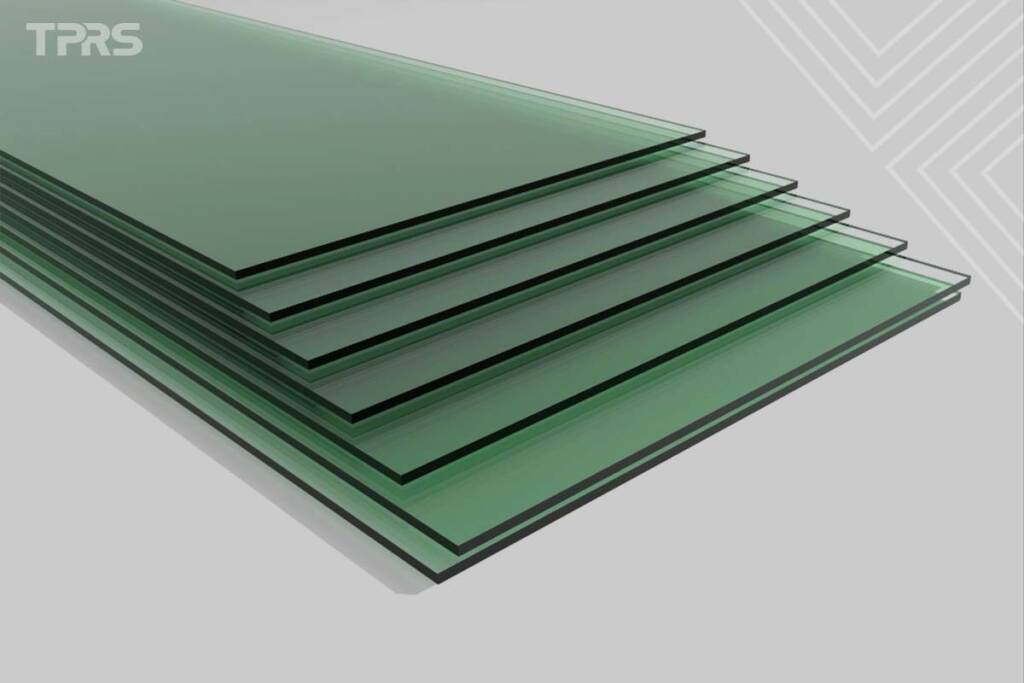
Laminated glass is made by bonding two or more panes with a plastic interlayer under heat and pressure. In the family of types of glass, it is the one that stays in place even when cracked.
Why this matters:
- Post‑breakage, the pane is held together by the interlayer, which makes it a key member of safety glass types used in overhead glazing, skylights, and high‑risk zones.
- It improves sound insulation and filters out much of the UV radiation that damages interiors.
- In many decorative glass types, coloured or printed interlayers are used to create striking visual effects.
For people comparing different types of glass, laminated products are often chosen where both safety and acoustic comfort are critical.
Insulated Glass Units (IGUs): The Engine of Energy Efficiency
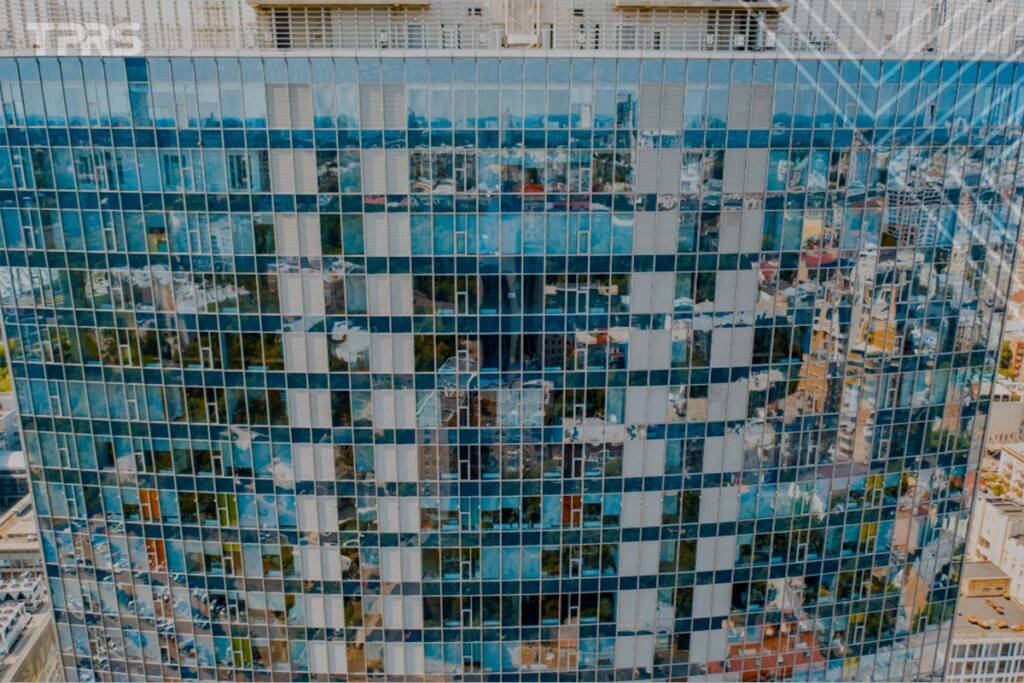
Insulated glass units, or IGUs, combine two or more panes of glass with a sealed air or gas gap between them. Among all types of glass, these are the workhorses of modern energy‑efficient facades.
They help by:
- Slowing down heat transfer, which keeps interiors more stable and reduces reliance on air‑conditioning or heating.
- Improving acoustic performance, especially when paired with laminated panes or panes of different thicknesses.
- Reducing condensation issues when correctly detailed.
If you are trying to get glass types explained from an energy perspective, IGUs are the first step towards serious performance in both homes and commercial architectural glass types.
Low‑E Glass: Managing Heat and UV
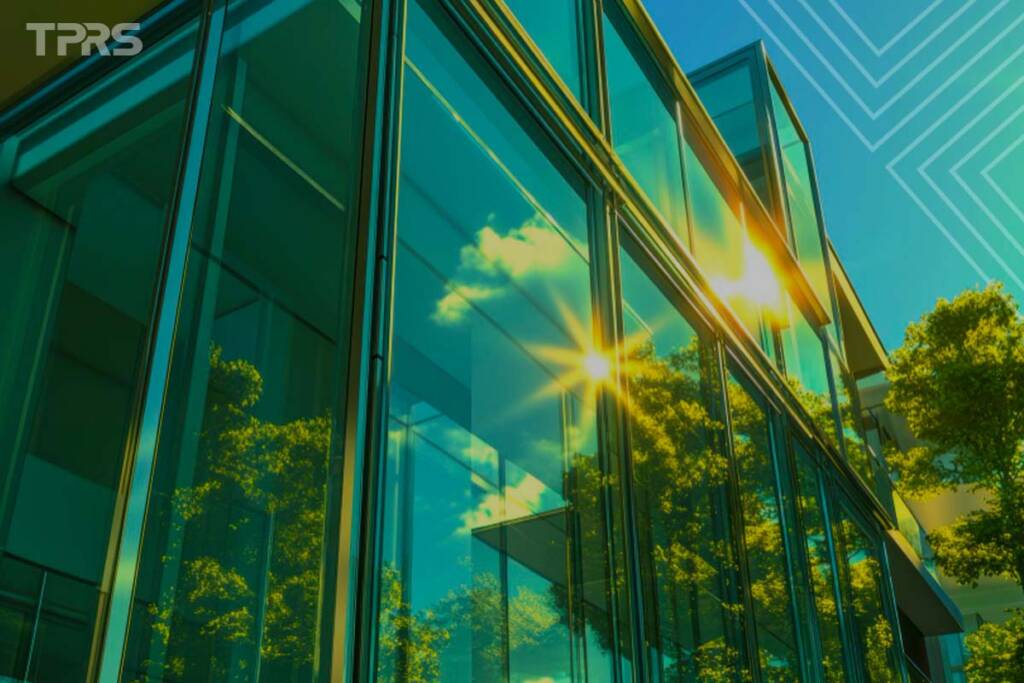
Low‑E, or low emissivity glass, looks almost like clear float glass but carries a microscopically thin, transparent metallic coating. Within the broad list of types of glass, Low‑E stands out for the way it shapes heat without sacrificing light.
In practice:
- It reflects a significant portion of infrared heat while letting in visible light.
- It cuts down UV transmission, protecting fabrics and finishes from fading.
- It is usually used as part of IGUs for high‑performance architectural glass types in offices, hotels, and premium homes.
For many designers, Low‑E units are now one of the default types of glass when long‑term operating costs and comfort matter.
Tinted and Reflective Glass: Solar Control with Style

Tinted glass gets its colour: grey, bronze, green, blue from metal oxides added during manufacture, while reflective glass has a thin metallic coating that gives a mirror‑like exterior. Together they form one of the most visible families within different types of glass used on façades.
They are chosen because:
- Tints reduce glare and moderate heat gain without making interiors feel too dark.
- Reflective surfaces provide daytime privacy and bold visual identity.
- Both can be combined with toughening or laminating so that these stylish panes are still classed as safety glass types.
If you are mapping out common glass types and uses for sunny climates, tinted and reflective options quickly rise to the top of the list.
Frosted and Patterned Glass: Everyday Privacy and Design
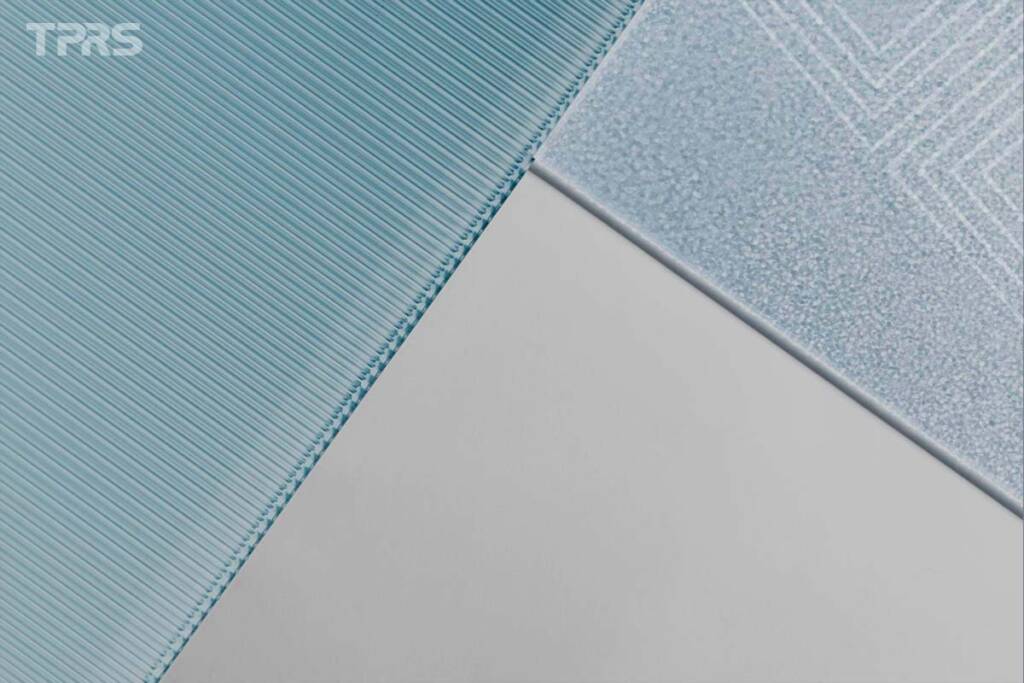
Frosted glass scatters light to blur views, while patterned glass uses embossed textures or printed designs. These are the decorative glass types that most people encounter in bathrooms, offices, and interior partitions.
They work well when:
- You need privacy but still want natural light; classic for showers, meeting rooms, and stairwells.
- You want subtle branding or patterns baked into the glass rather than added as films.
- You are exploring softer types of glass that feel more tactile and crafted than a plain clear pane.
For anyone compiling glass types explained for interiors, frosted and patterned products make up a big part of the creative toolkit.
Specialty Glass Types and Their Uses
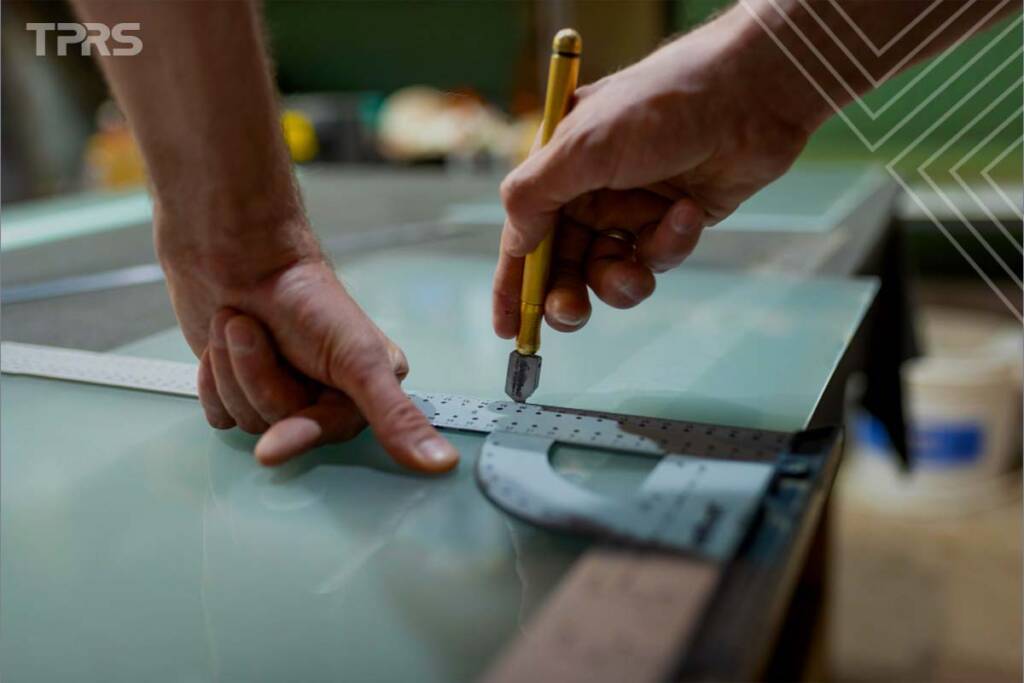
Beyond everyday architectural and decorative glass types, there are specialised solutions designed for particular risks or performance needs.
A few examples:
- Fire‑rated units that resist high temperatures for defined periods.
- Bullet‑resistant and high‑security laminates for sensitive sites.
- Smart, or switchable, glass that can turn from clear to opaque with a small electrical current.
These advanced types of glass are typically used where standard products cannot meet code or client expectations, and they sit at the far end of the spectrum when you look at all different types of glass available today.
How to Choose the Right Glass Type for Your Application
Rather than starting with a product name, start with the space and its priorities. That is the easiest way to navigate types of glass for beginners.
- Homes usually focus on safety at balconies and stairs, plus comfort and quiet at windows.
- Offices and commercial buildings tend to prioritise daylight, solar control, and energy efficiency.
- Retail and hospitality look for clear display glazing and memorable decorative glass types.
- Industrial and automotive projects demand highly engineered safety glass types and sometimes special coatings or laminates.
Once you define performance, aesthetics, and budget, it becomes much easier to match the right types of glass to each zone and avoid trial‑and‑error decisions.
A Beginner’s Roadmap to Glass Types
The world of glass looks complex at first glance, but it becomes manageable once you recognise the main types of glass and understand where each one fits. Float, toughened, laminated, insulated, coated, tinted, frosted, patterned, and specialty units together cover almost all real‑world needs.
With these glass types explained in simple language, you are no longer guessing between different types of glass. Instead, you are making deliberate choices based on safety, comfort, design, and cost. That is exactly what a good guide to common glass types and uses should empower you to do.