



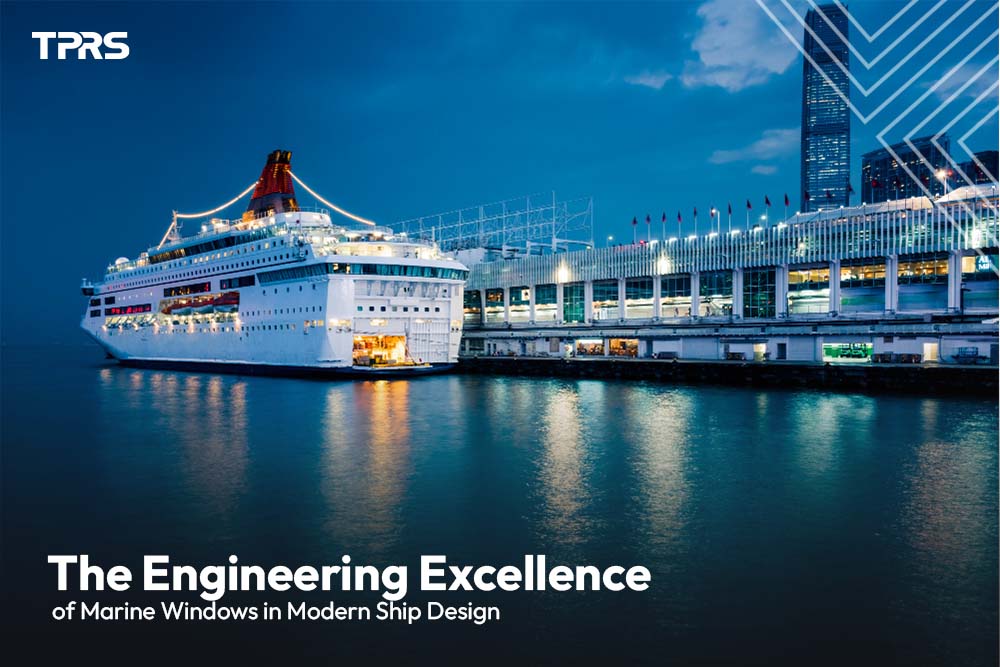
Marine Windows – The Backbone of Modern Maritime Visibility
A vessel at sea is a world unto itself: self-sustaining, isolated, and exposed to the full power of nature. Amid the rumble of engines and the rhythm of waves, the crew’s connection to the outside world depends on a quiet but indispensable feature: the marine window.
Marine glass windows are precision-engineered guardians of safety and visibility. They form the first line of defence against the ocean’s unpredictable temperament: withstanding pressure, salt, impact, and time. From the bridge of a cargo ship navigating narrow channels to the panoramic lounges of a luxury yacht, these windows define how those on board see, experience, and interact with the sea.
Modern ship window systems embody the perfect intersection of engineering and endurance. They combine structural integrity with optical precision, creating clear sightlines for navigation and control while preserving comfort, insulation, and efficiency. Every pane is a statement of design intelligence, crafted to endure harsh maritime environments without compromising on clarity or performance.
In this blog, we uncover why marine windows are the unseen backbone of modern maritime visibility, safety, and sustainability. Let’s dive in.
Marine Windows: Essential Visibility for Maritime Operations

It’s easy to underestimate how important the right marine windows are for a vessel. But consider this: in heavy seas or fog, when the ship’s bridge lights up with instrumentation and alarms, those windows are the crew’s eyes. Marine windows for ships must provide clear, unobstructed vision, while resisting impact from waves, salt spray, UV rays, and constant vibration. They form part of full marine visibility systems that ensure that the captain and crew can see and react without glare, distortion or failure.
High-quality marine windows contribute significantly to safety. With the right glass, framed and sealed correctly, the risk of broken panes, water intrusion, or optical distortion is minimized. Beyond safety, there’s comfort: good windows let daylight in, help regulate internal temperature, reduce noise, and on offshore vessels, make long voyages more bearable. When designing windows for marine operations, the spec must cover optical clarity, strength, durability, and longevity.
In short: you don’t simply install a window on a vessel; you integrate a glass component that becomes part of the mission-critical infrastructure.
Portholes & Round Windows: Honouring Traditional Marine Design
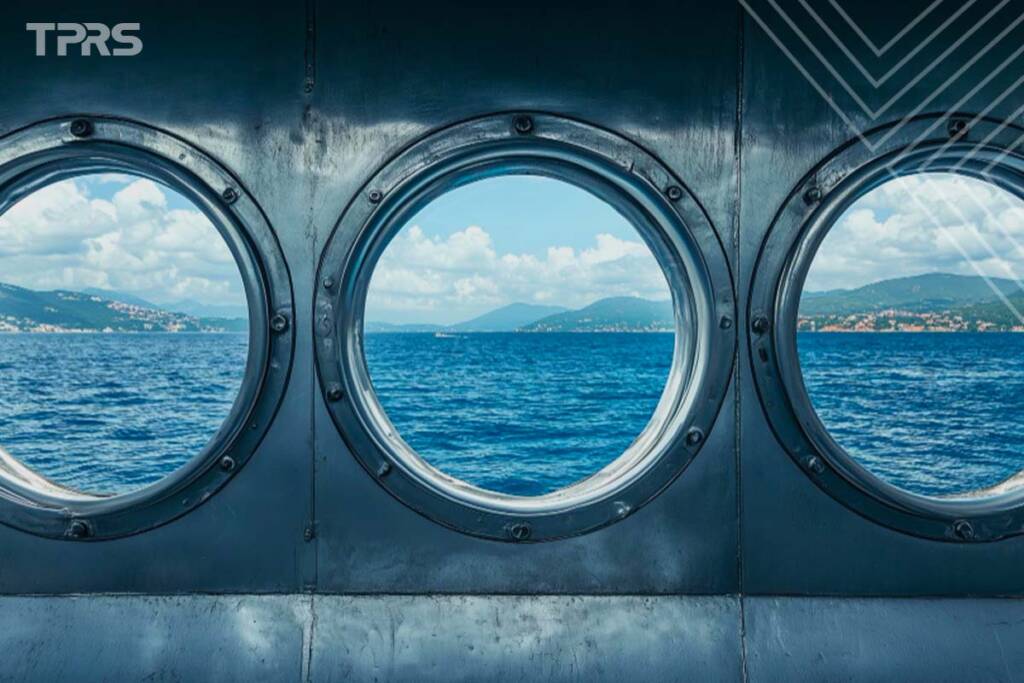
There’s something timeless about a round window on a ship’s hull: the classic marine portholes of tall-ships and liners of yesteryear. Yet today, round ship windows continue to appear, not just for nostalgia but for function. Their circular shape distributes pressure evenly, which is useful in rough seas.
In modern vessels, these traditional marine windows have been adapted: stronger laminates, coated interlayers, better sealing. And for smaller vessels or recreational boats, boat porthole glass options now come with improved clarity and durability. Designers prefer portholes for their aesthetic and heritage value; engineers prefer them for structural advantages. Hence, if a vessel is being outfitted with a maritime look, the porthole remains a strong design choice, while still meeting current performance demands.
Observation Windows: Clear Vision for Navigation and Control Rooms
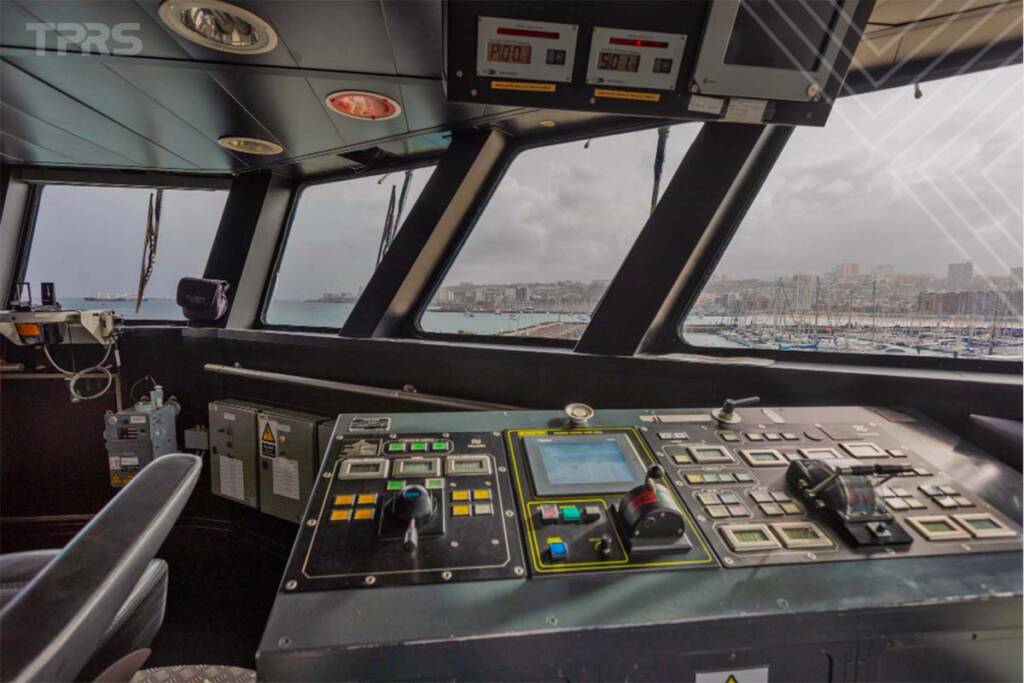
On a vessel, the spaces where decisions are made: bridges, control rooms, observation decks need visibility and clarity above all. That’s where observation windows for ships come in. These are not ordinary panes: engineered marine navigation glass must be optically pure (to avoid distortion of radar or other displays reflected in it), strong, laminated, and often custom-shaped to match the architecture of the deck. When the crew relies on the horizon, navigational aids, instrumentation and human judgement, the role of clear vision marine windows becomes unmistakable.
In control rooms, surrounding windows may also double as light-funnels, making the space safer and more comfortable. On vessels with passenger decks, large observation windows create scenic views while still protecting from noise, spray and sunlight. When specifying observation windows, architects and naval engineers look for features like minimal optical distortion, anti-reflective coatings, and robust mechanical mounting; all to deliver the best possible visibility and operational reliability.
Emergency Exit Windows: Built for Safety
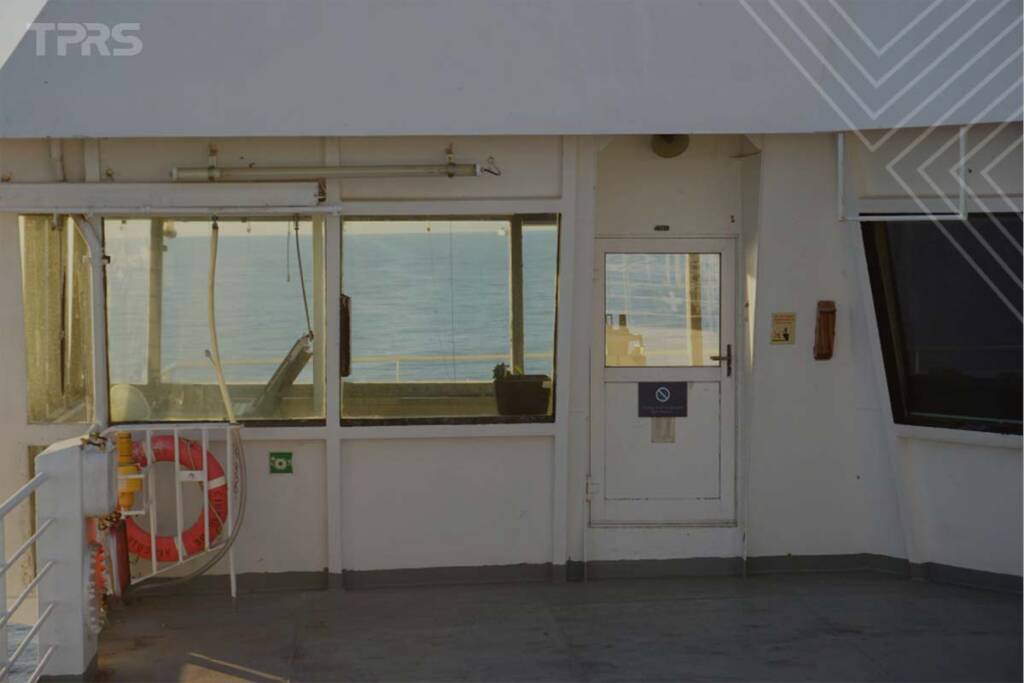
Now let’s switch gear: one of the underrated elements of marine safety is the emergency exit windows for ships. These are designed specifically to facilitate fast egress, to withstand impacts or fire, and to comply with international maritime standards. The glass used here is often marine safety glass: TPRS Lamisafe laminated glass, TPRS Tuffsafe toughened glass, and heat-resistant glass; the complete assembly must comply with standards such as SOLAS-compliant windows or IMO certified marine glass.
In an emergency: fire, flooding or collision, the quality of the exit window matters immensely. It must stay intact long enough, maintain clarity, and allow escape or rescue. Designers of escape routes count on the performance of these windows; it’s critical. So, when a superintendent or naval architect specifies exit windows, they look for certification, impact resistance, and compatibility with life-safety plans.
Simply put: these windows may never be noticed until the day they are required and that’s why they must perform flawlessly.
Insulation Properties: Energy Efficiency at Sea
What many overlook is how the right marine windows contribute to comfort and performance, not just visibility. Think about it: vessel interiors need to be conditioned, noise needs to be managed, thermal loads need to be controlled. That’s where features like insulated marine windows, energy-efficient ship glass, marine double glazing, and thermal marine windows come into play.
Imagine a luxury yacht or a commercial passenger ship: hundreds of square metres of glass, lots of sun, lots of heat gain, and lots of noise from wind and engines. If windows are just single-pane, standard marine glass, the HVAC burden skyrockets, noise bleeds through, and comfort drops. But with laminated multi-layer insulated windows, thermal conduction is reduced, acoustic insulation improved, and the structure becomes more efficient.
For the ship owner/operator this means lower fuel/energy costs (when HVAC load is reduced), fewer complaints from passengers/crew, better compliance with comfort standards, and the window system becomes part of the vessel’s energy efficiency strategy, not just a viewport. So, in the modern maritime world, when we talk about marine windows, insulation properties are every bit as important as strength and clarity.
Corrosion Resistance: Long-Term Performance in Harsh Marine Environments
Out on the open sea, everything is harsh: salt-laden air, wind, spray, UV radiation, constant motion. That’s why for windows and glazing systems the materials and design must focus on corrosion-resistant marine windows, anti-corrosion ship glass, and marine-grade glass windows. It’s not enough for the glass itself to be strong, it must maintain that strength for years, resisting degradation from salt, moisture and UV.
Manufacturers achieve this by choosing the right interlayers (for laminated glass), coatings that block UV/IR and resist scratching, frames and seals made of marine-grade alloys or stainless steel, and careful design of drainage, mounting and seal interfaces. For instance, a glass too close to the frame may trap moisture and cause corrosion or seal failure.
When a marine window system fails, the consequences are serious: fogging, leaks, structural compromise, visibility issues, and costly downtime. So, specifying marine-grade glass windows with corrosion resistance isn’t optional, it’s fundamental. The better the corrosion resistance, the longer the system stays clear, safe and reliable.
Maintenance Guidelines: How to Preserve Marine Window Performance
Once you’ve installed great marine windows, how do you keep them performing? Good marine window maintenance, understanding how to clean marine windows, and applying proper marine glass care and ship window upkeep are essential. Here are some practical tips:
- Regular inspection: Look for signs of seal failure, delamination, corrosion on frames, fogging between laminates, scratches or abrasion on surfaces.
- Cleaning: Use mild, marine-safe cleaning agents. Avoid harsh chemicals that may degrade coatings. Rinse with fresh water after heavy salt spray days. When cleaning glass, make sure you’re wiping in one direction, using soft cloths, and avoiding abrasive pads.
- Lubrication & drainage: On framed systems, ensure drainage holes are clear, seals are intact, metal tracks or bolts aren’t corroding.
- Replacement of damaged panes: If you see pitting, cracking, hazing, or distortion, plan for replacement promptly, because optical clarity matters for navigation and safety.
- Record-keeping: Maintain logs of inspections, cleaning cycles, repairs as this helps track performance over time and budget for replacements before failures occur.
By making maintenance part of the operational routine, the lifespan and performance of marine windows is maximised.
Why Choose TPRS Marine Glass Systems?
Now, let’s turn attention to a specific provider with strong credentials: TPRS Glass. There are several reasons a vessel outfitter or shipyard might choose us over others:
- Design precision & quality credentials: TPRS holds certifications covering Indian, European and Australian standards.
- Durability & tailoring: TPRS offers laminated, toughened, curved, multi-layer options, custom sizes and shapes, and features aimed at marine performance.
- Global reach & support: We ship worldwide 20+ countries, helpful when vessels are built in one country and fitted in another.
- Focus on safety & functionality: Our portfolio includes impact resistant safety glass, and marine specific applications with appropriate coatings and interlayers.
When you’re choosing a marine window manufacturer, or evaluating a ship window supplier, these factors matter: the company’s track record, the technical components, the ability to deliver custom glass systems.
Enhancing Safety and Performance with TPRS Glass Marine Windows
In wrapping up, let’s revisit the role of marine glass systems, and specifically how advanced marine windows from a company like TPRS Glass bring together visibility, safety, durability and performance. From traditional portholes to high-performance observation windows, from emergency exit glass to energy-efficient insulated glazing, the aquarium-like envelope of a ship depends on high-quality marine windows.
Choosing advanced marine windows engineered by an expert like TPRS ensures that when the waves are high, the weather is rough and the stakes are serious, your vessels remain safe, visible and comfortable. With installations that are corrosion-resistant, thermally sound, inspected and maintained proactively, the boat, ship or offshore asset stays mission-ready.
So, whether you’re specifying glazing for a new build, retrofitting an existing ship, or simply evaluating your window systems, remember: the windows are far more than “just glass”. They’re the interface between the crew and the sea. Investing in quality marine windows means investing in safety, performance and longevity. Make that choice count.