


Understanding the Rise of Marine Glass
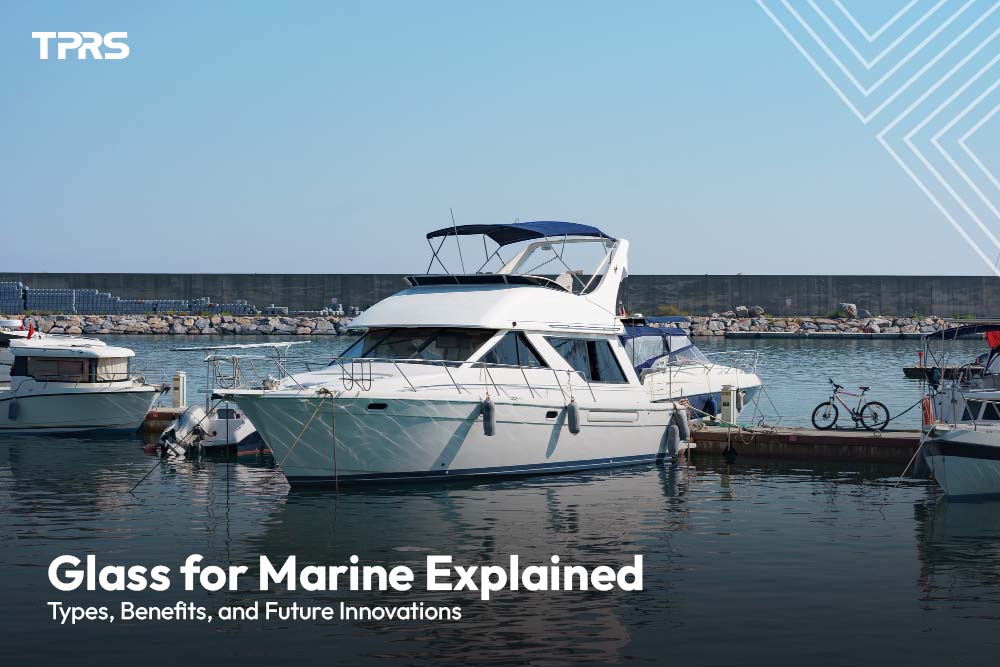
Welcome to the world of marine glass, a revolutionary material transforming both maritime and architectural landscapes. Over the past few years, marine glass has captured attention for its unmatched durability, eco-friendliness, and versatility. From luxury yachts to coastal high-rises, the demand for glass for marine applications is surging, marking a pivotal shift in how we approach marine and coastal construction.
But what exactly makes marine glass so remarkable? Why are builders, engineers, and yacht designers all turning to it? Let’s dive deeper into the fascinating world of marine glass to know more about its types, benefits, and future innovations.
What Is a Marine Glass?
Before understanding its growing significance, it’s important to answer the question: what is marine glass?
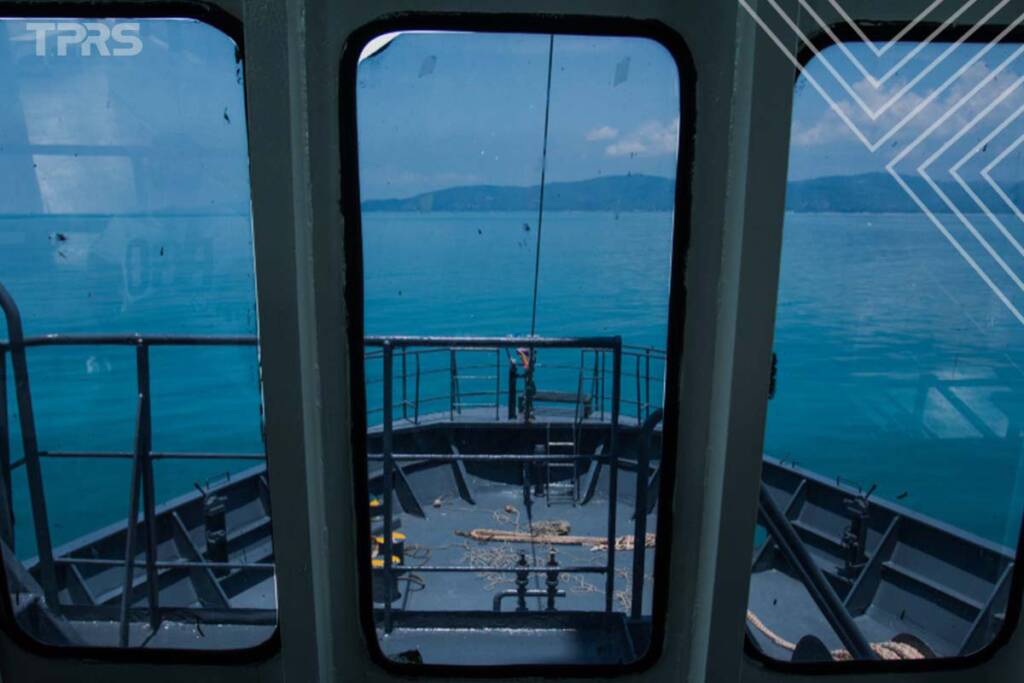
In simple terms, marine glass refers to specially engineered glass designed to endure the harsh and unpredictable marine environment. Whether exposed to saltwater, constant wind, intense UV radiation, or strong mechanical vibrations, marine-grade glass is meticulously processed to resist these challenges. The marine glass meaning lies in its purpose and ability to combine functionality with safety; it doesn’t just look pristine, it protects. It’s a glass that can survive at sea or near the sea without losing clarity or strength.
It is typically a laminated glass (TPRS Lamisafe) or tempered glass (TPRS Tuffsafe) composed of multiple layers, to achieve superior saltwater resistance and impact strength. Also infused with UV-blocking and anti-corrosion coatings to handle the relentless elements of coastal climates. Where ordinary glass might corrode, fog, or fracture, marine glass remains clear, sturdy, and safe, making it indispensable in everything from ship windows to ocean-view architecture.
Key Features That Make Marine Glass Unique

What gives marine glass its edge over standard glass types? It’s all about the engineered features that make it uniquely suited for life near (and on) the water.
- Saltwater Resistance:
Unlike regular glass, which deteriorates under prolonged exposure to salt, the TPRS Lamisafe along with SentryGlas™ is built to resist corrosion and chemical erosion. This makes it ideal for use on yachts, boats, and beachfront properties where constant contact with seawater and mist is unavoidable. The anti-corrosive coating not only extends its life but also maintains its pristine clarity for years.
- UV Protection:
Constant sunlight exposure can cause ordinary glass to discolour or weaken over time. The laminated glass with a SentryGlas layer, however, integrates advanced UV-blocking coatings that protect both the glass and the interiors behind it from discoloration. Even after long exposure to sunlight and rain, it does not turn yellow. Its yellowing level stays below 1.5. From boat cabins to luxury beach homes, this protection helps reduce glare, lower heat build-up, and prevent sun-related wear and tear on furnishings.
- Impact Strength:
The ocean is unpredictable. Rough waves, high winds, and floating debris all pose potential hazards. Features of marine glass include exceptional impact resistance; strong enough to withstand high pressure, sudden impacts, and temperature shifts without breaking. This is particularly vital for vessels where safety and reliability can’t be compromised.
- Anti-Glare and Optical Clarity:
Whether it’s a ship captain navigating at dusk or dawn, visibility is key. Marine glass characteristics include anti-glare treatments that ensure clear views even under bright light, enhancing comfort and safety. The high optical clarity also provides a sleek, modern aesthetic that complements any marine or architectural design.
Types of Marine Glass Used Today
Modern innovation has given rise to several types of marine glass, each serving different functions and offering unique benefits:
- TPRS Lamisafe – Laminated Marine Glass:
Constructed from two or more glass sheets bonded with a resilient interlayer , laminated marine glass offers superior safety. If struck, the glass may crack, but the interlayer holds the fragments in place, preventing injuries and maintaining structural integrity. This makes it the top choice for yacht windshields, portholes, and underwater observation panels.
- TPRS Tuffsafe – Tempered Marine Glass:
Tempered marine glass undergoes an intense heat treatment which makes it 4-5 times stronger than annealed glass. When broken, it shatters into small, harmless pieces instead of sharp shards, reducing risk. It’s often used in side-windows, hatches, and structural components where visibility and toughness go hand-in-hand. - TPRS Ecosafe – Energy-efficient Marine Glass:
TPRS Ecosafe Insulated Glass Units, backed by DOWSIL Quality Bond certification, are engineered to support energy-efficient performance in AC cabins, where temperature control and durability matter the most.
Benefits of Marine Glass for Boats and Yachts
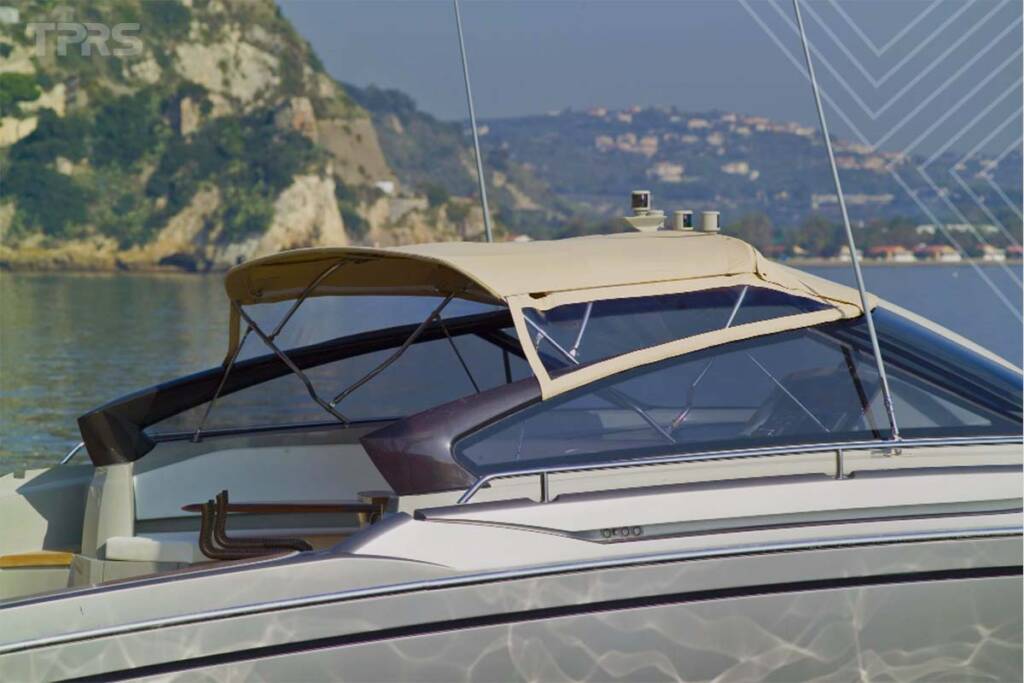
A boat voyage or a yacht journey isn’t just about luxury, it’s about ensuring safety and performance. Here’s why marine glass for boats and yachts has become a must-have:
- Unmatched Durability:
Marine environments are notoriously harsh. Salt, moisture, and UV rays can destroy materials. The benefits of marine glass include resistance to all these factors, allowing vessels to maintain their elegance and safety over time without constant maintenance.
- Enhanced Safety:
Laminated glass and tempered glass options prevent dangerous shattering in case of accidents or collisions. They also protect against flying debris during storms, ensuring passenger safety even in rough conditions.
- Weather Protection:
From sweltering tropical climates to icy northern seas, marine glass offers insulation and protection. It reduces interior heat, prevents condensation, and maintains optimal visibility regardless of weather conditions.
- Aesthetic Appeal:
Beyond its technical strengths, yacht glass solutions enhance the vessel’s luxury appeal. The sleek, mirror-like finish and panoramic views contribute to a more enjoyable and visually stunning sailing experience.
Marine Glass in Architecture and Coastal Infrastructure
Marine glass isn’t just making waves in the marine industry; it’s also revolutionizing architectural infrastructure along the coastal infrastructure.
- Coastal Homes and Resorts:
Imagine waking up to uninterrupted ocean views framed by floor-to-ceiling windows. Coastal architecture glass delivers exactly that; panoramic beauty with robust protection against salt corrosion, high winds, and UV damage.
- Aquariums and Marine Research Centres:
In these environments, clarity and strength are critical. Marine-grade glass facade designs provide scientists and visitors with crystal-clear views of marine life while withstanding immense water pressure and chemical exposure.
- Public and Commercial Infrastructure:
From seaside walkways and observation decks to waterfront restaurants, marine glass for buildings adds sophistication and practicality. Its durability ensures that structures stay beautiful and functional for decades.
How Marine Glass Supports Sustainability
In a world increasingly concerned about the environment, sustainable marine glass stands as a beacon of eco-conscious innovation.
Energy Efficiency:
The insulating properties of TPRS Ecosafe glass reduces energy needs for heating and cooling in coastal buildings, saves up to 1 unit of electricity per day, leading to long-term energy savings and environmental benefits.
Together, these practices make marine glass not only durable but also deeply aligned with sustainable design principles.
Choose TPRS Glass - The Trusted Leader in the Glass Industry.
The performance of your glass depends largely on who you buy it from. Selecting the right marine glass supplier such as TPRS Glass ensures long-term safety and satisfaction.
- Certifications and Standards:
The marine glass supplier whose glass products meet international safety and marine-grade certifications ensures compliance with quality and environmental standards.
- Customization and Design Flexibility:
Every vessel and building has unique needs. A reputable marine glass manufacturer like TPRS Glass offers tailor made customization in thickness, tint, coatings, and shapes to fit a project precisely, as we have in-house developing team and quality team.
Maintenance Tips for Marine Glass Longevity

Proper care ensures that your investment in marine glass continues to perform and look beautiful for years.
- Clean Gently: Use mild cleaners and a microfiber cloth; knowing how to clean marine glass safely prevents scratches.
- Inspect Often: Check for chips, cracks or loosened fittings regularly to ensure reliable marine glass maintenance.
- Protect Surfaces: Apply hydrophobic or anti-scratch coatings for marine glass care and extended lifespan.
- Handle Carefully: Avoid impact during transport or installation to preserve clarity and strength.
Marine Glass: The Future of Strength, Clarity, and Sustainability at Sea
The ocean challenges everything it touches, but marine glass stands resilient, elegant, and future-ready. Its strength, clarity, and sustainability make it a cornerstone of modern design across ships, yachts, and coastal infrastructure. From the benefits of marine glass in boating to the aesthetic value it adds in architecture, it’s clear that this is more than just a material, it’s a revolution in how we interact with the sea.
Whether you’re building a yacht, designing a beach villa, or seeking marine glass for buildings, investing in sustainable marine glass means investing in the future. With the right marine glass processor like TPRS Glass, careful maintenance, your projects can harness both beauty and resilience, just like the ocean itself.