



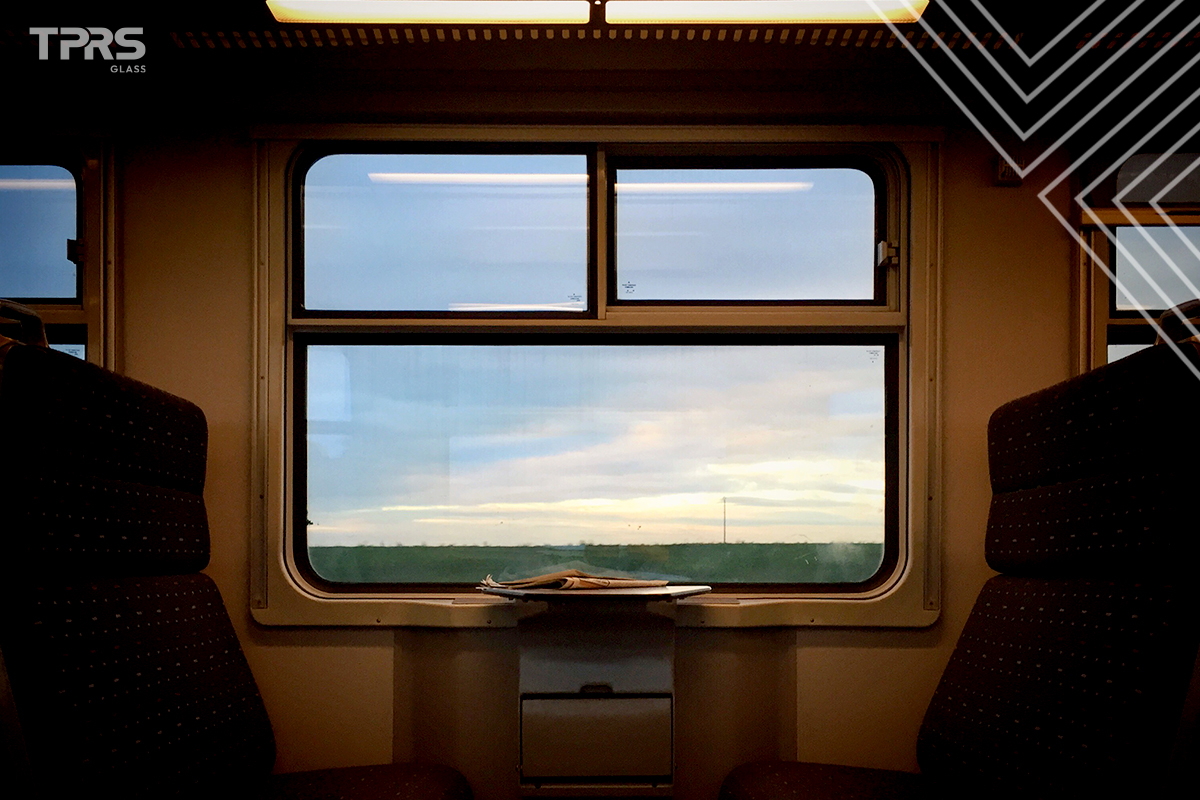
How Glass for Railway is Engineered for Safety and Strength in Train Windows
When you board on a train, and chances are, you’ll be drawn to look out the window for scenic views. Yet, few passengers give thought to the engineering excellence and remarkable innovation that makes those train windows possible. Modern glass for railway stands as a symbol of safety, clarity, and strength; the result of decades of research and precision in manufacturing glass for railway. In the early days of rail travel, simple glass panes were sufficient. Over time, as trains became faster and safety standards tightened, the demand for stronger, safer train windows increased. Today’s train windows are accomplishments of material engineering, designed not just for visibility but to withstand environmental extremities, accidental impact, and even acts of vandalism.
In this blog, we will dive deep into knowing how glass for railway is engineered for safety and strength.
Glass Types for Railway Used in Train Windows
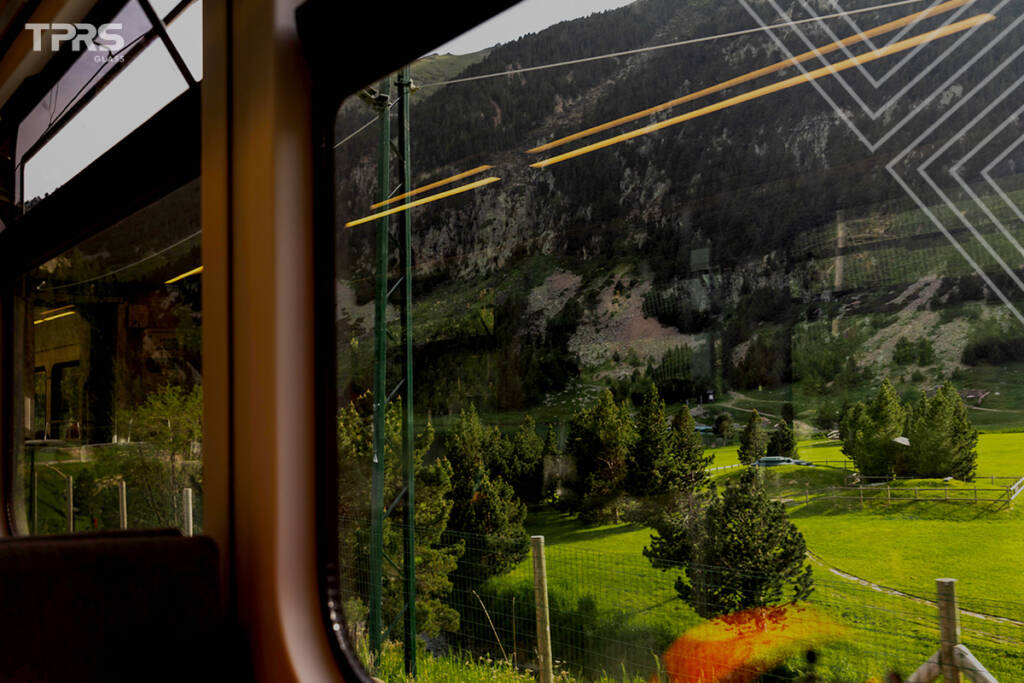
- TPRS Tuffsafe – Toughened Glass
One of the most common glasses used for train windows is toughened glass, also known as tempered glass. This type of glass for railway is created by heating it to high temperatures and then cooling it rapidly to increase its strength. The toughened glass is 4-5 times stronger than ordinary glass, making it ideal for high-impact applications like train windows.
Strength and Safety: When broken, toughened glass shatters into small, blunt pieces, reducing the risk of injury to passengers. This safety feature of the glass for railway is particularly important in train windows that need to be durable but also ensure minimal risk of harm during an accident or impact.
- TPRS Lamisafe – Laminated Glass
Laminated glass is another key glass type for railway used in train windows. The laminated glass consists of two or more layers of glass with an interlayer sandwiched between them. This layer ensures that the glass stays intact even when shattered, making it ideal for train windows in driver’s cabins, passenger compartments, and high-risk areas.
Impact Resistance: Laminated glass prevents glass particles from flying and causing injuries during a collision, making it important for train safety. Additionally, it enhances sound insulation, reducing external noise and improving the passenger experience.
- TPRS Ecosafe – Insulating Glass Units
Modern trains often use insulating glass units (IGUs) in train windows for energy efficiency. These insulating glass units consist of two or more panes of glass with a sealed air gap between them. The air or gas inside the gap provides thermal insulation, keeping the interior temperature stable and reducing the strain on heating and air conditioning systems.
Energy Efficiency: Insulating glass units help improve the overall energy efficiency of the train by reducing heat loss in the winter and heat gain in the summer, making trains eco-friendly and cost-efficient.
Glass for Railway in Train Windows: Precision Manufacturing and Engineering
The process of making train windows is an example of precision engineering, where every step is meticulously planned to meet safety, performance, and durability requirements. Here’s a closer look at the glass manufacturing process for railway:
- Glass Cutting and Shaping
The first step in the glass manufacturing process for railway involves cutting the raw glass into precise shapes and sizes based on the train window specifications. This is done using CNC (computer numerical control) machinery for high accuracy. CNC cutters use lasers or diamond blades to ensure the glass for railway is cut to the exact dimensions required for each train window, with minimal tolerance for error.
- Tempering and Lamination
Once the glass for railway is cut, it undergoes further processing, including tempering and, if necessary, lamination.
- For toughened glass, the cut glass pieces are heated to temperatures of 600–700°C and then rapidly cooled in a controlled environment. This creates internal tension that makes the glass much stronger.
- For laminated glass, the two glass layers are bonded together with the PVB interlayer under heat and pressure, creating a solid, unbreakable unit. This step requires precision equipment to ensure the layers are perfectly aligned and the lamination process is uniform.
- Surface Treatment
After the glass for railway has been tempered or laminated, it often undergoes a surface treatment process to enhance performance. This might include anti-reflective coatings to improve visibility, UV filters to reduce harmful sun exposure, or hydrophobic coatings to make the glass more resistant to water, dirt, and stains which in turn reduce the need for cleaning.
- Assembly and Sealing
Once the train windows are finished, they are carefully assembled into frames made from aluminium, which are lightweight yet strong enough to withstand the forces encountered during train travel. High-performance sealing agents are then applied to ensure the train windows are airtight, waterproof, and securely fastened to the train body. The seals also contribute to the insulation properties of the train windows. TPRS Winsafe frames feature a sturdy aluminum profile for high strength and a refined look, with advanced TIG welding delivering smooth, long-lasting joints.
- Quality Control
Throughout the glass processing for railway or any segments, quality control measures are essential to ensure the train windows meet the required standards for strength, safety, and performance. Glass windows for railway undergo rigorous testing, including:
- Impact tests to ensure the glass can withstand impacts from objects like stones or debris.
- Thermal cycling tests to ensure the glass can handle extreme temperature fluctuations.
- Visual inspections for uniformity and defects like scratches, air bubbles, or cracks.
At TPRS Glass, we take pride in delivering high-performance glass solutions for railway tailored for today’s high-speed, high-demand rail networks. From design consultation to material selection, our glass solutions for railway meet and exceed international standards – ensuring your rail projects are equipped for the future. We are the certified provider of glass for railway in India, who upgrade rail systems with world-class glass solutions for railway.
The Art and Science of Train Window Engineering
The manufacturing of train windows involves a remarkable blend of engineering excellence, advanced materials, and cutting-edge technologies. From impact-resistant TPRS Lamisafe – laminated glass to energy-efficient TPRS Ecosafe – insulated glazing units, the train windows of modern trains are the result of years of research, testing, and development. As the railway industry continues to innovate, the role of train windows will only grow more important, helping to create safer, more efficient, and more sustainable rail systems for the future.